



Send Message
Privacy statement: Your privacy is very important to Us. Our company promises not to disclose your personal information to any external company with out your explicit permission.


A charcoal BBQ grill is a cooking device that uses burning charcoal briquettes or lump wood as the primary fuel source to generate high heat for grilling, smoking, and searing food. Unlike gas or electric alternatives, charcoal grills provide a distinct smoky flavor profile that many enthusiasts consider essential for authentic barbecue.
These grills typically consist of a cooking grate, a firebox or ash catcher, and a lid with adjustable vents to control airflow and temperature. The ability to manipulate oxygen flow allows users to precisely manage cooking speeds, from high-heat searing to low-and-slow smoking.
Why it matters: Understanding the basic mechanics of charcoal grills helps buyers select the right model for their specific culinary needs, whether that's backyard burgers or professional-grade smoked meats.

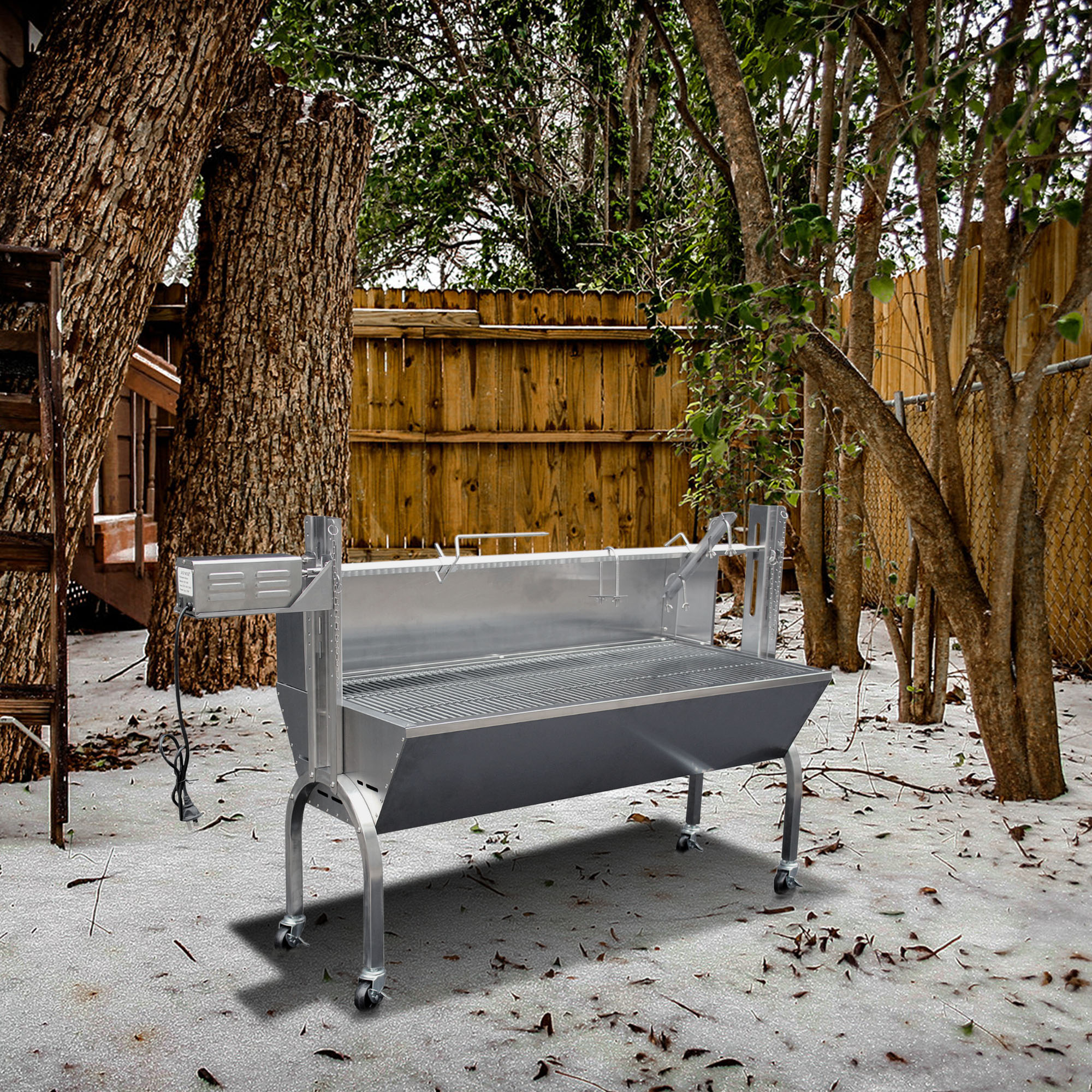
Our manufacturing facility utilizes a fully integrated production line, ensuring rigorous quality control at every stage. From raw material sourcing to final assembly, we maintain strict standards to deliver durable, high-performance charcoal grills.
We employ advanced laser cutting technology to ensure precise dimensions for all grill components. This precision guarantees perfect fitment during assembly and enhances the overall structural integrity of the finished product.
Every grill undergoes a multi-step powder coating process. This provides excellent resistance against rust, corrosion, and high temperatures, extending the lifespan of the grill even in harsh outdoor environments.
By keeping bending, welding, and assembly processes in-house, we can conduct real-time quality checks. This reduces the risk of defects reaching the customer and allows for rapid adjustments to design specifications.
Selecting the ideal charcoal grill involves evaluating several key factors that impact cooking performance, durability, and value. Here is a comprehensive guide to help you make an informed decision.
Consider the size of your household and typical gathering sizes. Larger grills offer more cooking surface but require more storage space and fuel. Match the grill diameter to your most common use case.
Look for thick steel gauges and high-quality powder coating. Thicker materials retain heat better and last longer. Check if the cooking grates are porcelain-enameled or cast iron for superior heat distribution.
Effective airflow management is crucial for temperature control. Look for grills with adjustable top and bottom vents, which allow precise regulation of oxygen flow and, consequently, cooking temperature.
Use this checklist to evaluate potential suppliers and products before making a purchase decision. Each item addresses a critical aspect of quality and reliability.
Verify that the grill maintains consistent temperatures even in windy conditions. Double-walled construction is a strong indicator of superior heat retention.
Ensure the grill has an efficient ash catcher or removable ash pan. Easy cleanup is essential for user satisfaction and maintenance convenience.
Check that handles remain cool to the touch during operation. Dual-wall handles or insulated grips are preferred for safety and comfort.
Confirm the manufacturer offers a substantial warranty period. A confident supplier will stand behind their product with clear support terms.
Even high-quality charcoal grills can encounter issues. Understanding common problems and their solutions can extend the life of your grill and improve cooking results.
Solution: Ensure charcoal is arranged properly for your cooking method. For indirect cooking, place coals on opposite sides. Use a chimney starter to achieve consistent ignition across all briquettes.
Solution: Cover the grill when not in use and store in a dry location. Clean cooking grates after each use and apply a thin layer of oil to prevent oxidation. Choose powder-coated models for better rust resistance.
Solution: Master vent control. Adjust bottom vents for oxygen supply and top vents for exhaust flow. Open vents increase temperature; closed vents decrease it. Allow time for adjustments to take effect.
Solution: Brush grates while hot after cooking. Empty ash catchers regularly to maintain airflow. Consider using disposable foil pans under coals for easier ash disposal.
Charcoal grills serve diverse applications across residential, commercial, and industrial sectors. Their versatility makes them suitable for various cooking environments.
Homeowners use charcoal grills for family gatherings, weekend cookouts, and holiday celebrations. The authentic smoky flavor enhances traditional grilled foods like burgers, steaks, and vegetables.
Professional kitchens utilize heavy-duty charcoal grills for menu items requiring distinct char marks and smoke infusion. Commercial models offer larger capacities and enhanced durability for high-volume cooking.
Caterers and event organizers rely on portable charcoal grills for weddings, festivals, and corporate events. Their mobility and self-contained design make them ideal for locations without gas hookups.
When sourcing charcoal grills, partnering with a reliable manufacturer ensures product quality, competitive pricing, and timely delivery. We recommend working with suppliers who offer comprehensive manufacturing capabilities.
Choose suppliers with in-house laser cutting, bending, welding, and powder coating. This vertical integration ensures quality control and faster turnaround times.
Partner with manufacturers experienced in both original design and private label production. This flexibility allows for customized designs tailored to your market requirements.
Select suppliers with proven export experience to Europe, America, Australia, and Asia. Familiarity with international standards ensures compliance and smooth logistics.
Charcoal grills burn charcoal briquettes or lump wood, producing a distinct smoky flavor that gas grills cannot replicate. Gas grills offer convenience and precise temperature control, while charcoal grills provide superior flavor and higher searing temperatures. Many enthusiasts prefer charcoal for its authentic barbecue taste.
A well-maintained charcoal grill can last 5-10 years or more. Key factors include material thickness, quality of powder coating, frequency of use, and proper storage. Regular cleaning and covering when not in use significantly extend the grill's lifespan.
Safety regulations vary by location. Many apartment complexes prohibit charcoal grills on balconies due to fire risks and open flames. Always check local building codes and lease agreements. Electric grills are often permitted where charcoal is prohibited.
Lump charcoal burns hotter and produces less ash than briquettes, making it ideal for high-heat searing. Briquettes burn more consistently and are easier to control for longer cooks. Many grillers use a combination of both for optimal results.
Yes, many manufacturers offer ODM and OEM services. You can customize dimensions, colors, materials, and features to match your brand requirements. Working with a manufacturer that has full production capabilities ensures your custom specifications are accurately implemented.
Privacy statement: Your privacy is very important to Us. Our company promises not to disclose your personal information to any external company with out your explicit permission.
Fill in more information so that we can get in touch with you faster
Privacy statement: Your privacy is very important to Us. Our company promises not to disclose your personal information to any external company with out your explicit permission.